GRADE II LISTED SLATING & MANSARD RESTORATIONS IN COVENT GARDEN WC2
Originally laid out in the 1630s by Inigo Jones for the Earl of Bedford, the historic streetscape of Covent Garden (WC2E, WC2H, and WC2B)—stretching from the seventeenth- and eighteenth-century townhouses of Henrietta Street, King Street, and Maiden Lane to the Victorian theatre facades of Drury Lane, St Martin’s Lane, and Garrick Street, and the tall brick warehouses of Monmouth Street and Endell Street—demands exacting heritage roof craftsmanship. Behind classical stone cornices and London stock brick parapets sit steeply pitched natural Welsh slate mansards, handmade clay pantile slopes, timber sash dormers, and deep lead-lined box gutters. When century-old iron clout nails corrode or thermal movement splits aged leadwork, rainwater tracks down shared party walls into upper residential duplexes, theatre foyers, and commercial chambers. Acting as an NFRC-accredited roofer London freeholders and heritage estates trust across WC2, London Roofing Specialist deploys directly employed slaters, leadsmiths, and roof carpenters to execute conservation-grade roof renewals.
Treated Timber Battens, Dormer Framing & Covent Garden Conservation Standards
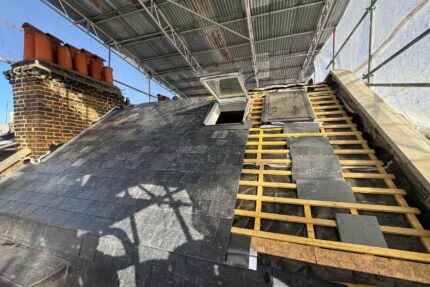
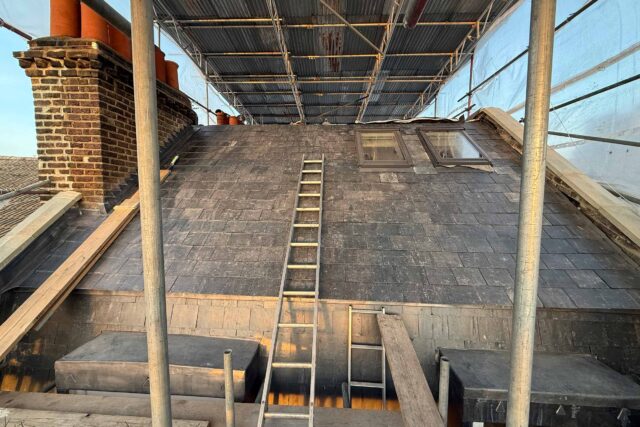
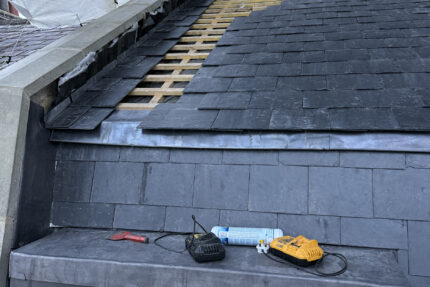
Stripping a five-storey Covent Garden residence, listed chambers, or warehouse loft conversion begins with a thorough structural appraisal of the exposed C24 timber rafters, collar ties, mansard curb plates, and dormer cheeks. As shown in our project photography, we replace decayed woodwork, dress a high-tensile vapour-permeable membrane across the rafters, and fix graded BS 5534 treated timber battens ready for hand-holing and copper-nailing prime natural slates in full accordance with Westminster City Council, London Borough of Camden, and Mercers’ Estate conservation requirements.


BESPOKE LEADWORK, SKYLIGHTS & STRUCTURAL WATERPROOFING IN WC2
Maintaining complex WC2 rooflines requires combining traditional lead bossing and natural slating with specialist liquid tanking for concealed parapet troughs, enclosed rear lightwells, and flat mansard crowns.
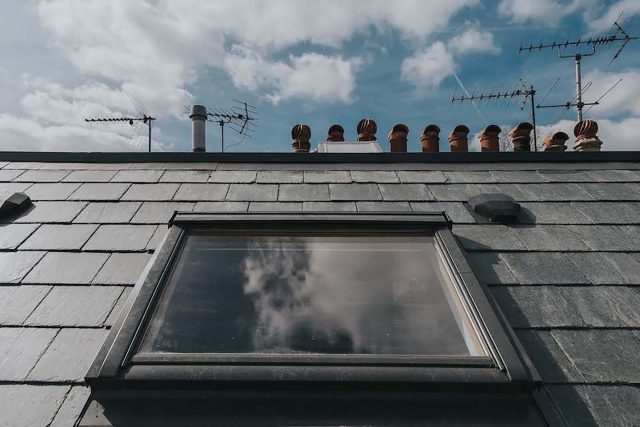
Natural Welsh & Westmorland Slating
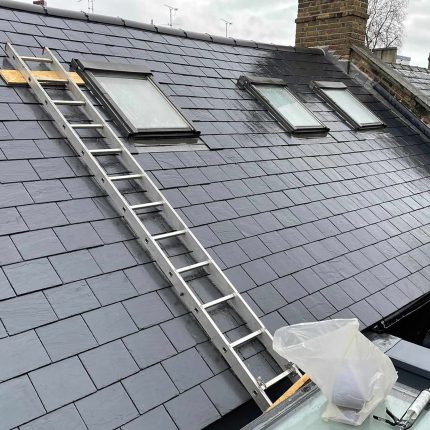
Hand-sorted, copper-nailed natural slates matched in riven texture, thickness, and blue-grey tone to preserve listed Covent Garden and Seven Dials streetscapes.
Code 6 & Code 7 Welded Lead Box Gutters
Hand-bossed lead valleys, stepped chimney flashings, dormer aprons, and wide parapet troughs engineered with expansion drips to prevent summer thermal splitting.
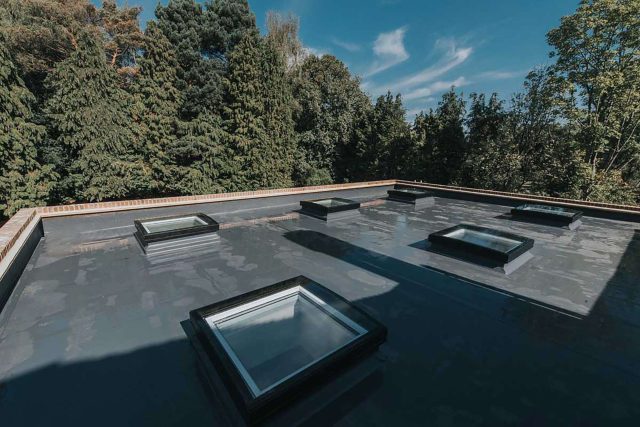
Conservation Velux Windows & Lanterns
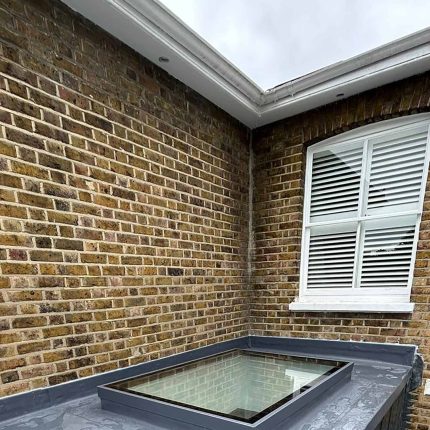
Flush-fitted conservation skylights and bespoke timber kerbs dressed with secret lead soakers to bring natural daylight into top-floor WC2 duplexes and studios.
Elastomeric Liquid Tanking & Mansard Crowns
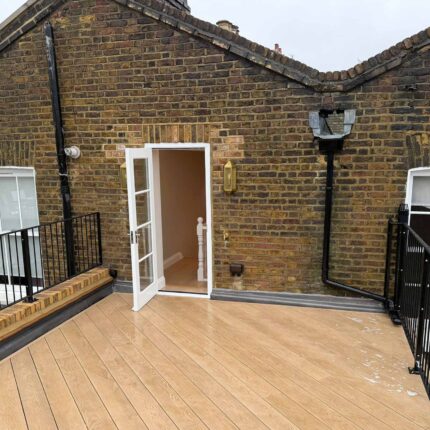
Seamless, cold-applied waterproof membranes engineered to seal intricate masonry junctions, working alongside our flat roofer Covent Garden team where pitched slate mansards meet flat crown decks and commercial plant roofs.
Part L Thermal Insulation & Vapour Control
Upgrading mansard slopes and loft voids with rigid PIR insulation boards and continuous eaves-to-ridge ventilation to stop winter heat loss and interstitial condensation.
10-Year Insurance-Backed Guarantees & Pedestrian-Zone WC2 Site Management
Working around the high pedestrian footfall of the Piazza, the Royal Opera House, and narrow West End thoroughfares like Floral Street and Shorts Gardens requires immaculate site discipline, out-of-hours material deliveries, and strict adherence to Westminster and Camden pavement licences. Every pitched slate restoration, leadwork package, and waterproofing project we complete in WC2E, WC2H, and WC2B is backed by a 10-year insurance-backed workmanship guarantee alongside £10m public liability cover. View our wider portfolio.
Call our central London office today for a free, no-obligation Covent Garden roofing survey: 020 7205 4557
Frequently Asked Questions: Roofer Covent Garden WC2
Do you comply with Westminster, Camden, and Mercers’ Estate conservation roofing rules?
Yes. Because the Covent Garden Conservation Area straddles the boundary between Westminster City Council and the London Borough of Camden—with large holdings managed by the Mercers’ Company and Shaftesbury Capital—nearly all roofs across WC2 are subject to strict heritage planning controls or Grade II listed building consent. We supply authentic natural Welsh slate and handmade clay tile samples, specify traditional rolled lead thicknesses to Lead Sheet Training Academy (LSTA) codes, and prepare full photographic condition reports to assist with heritage sign-off.
Why do hidden parapet gutters on Covent Garden townhouses leak so frequently?
Georgian and Victorian terraces along Henrietta Street, Tavistock Street, and Bedfordbury channel all pitched roof rainwater into concealed lead box gutters behind the front brick or stone parapet walls. Over decades, oversized lead bays split under summer heat expansion, or autumn leaves and urban debris block the outlets and force water over the upstands into top-floor rooms. We strip the perished trough, re-profile the timber sole board to improve the drainage fall, and install correctly bayed Code 6 or Code 7 welded lead linings with high-capacity overflows.